
Type 1 Diabetes

Type 1 diabetes is a complex condition, requiring the person with the condition to learn how to think like a pancreas and manually change their insulin dosing, like their pancreas used to do on its own.
The person with type 1 diabetes needs to have a very good understanding of their condition and how their body reacts to:
- carbohydrate in their meals
- their exercise
- sick or with an infection
- stressful events or periods of time
- impact of medications on their glucose levels
When that person has a disability they frequently need their support workers to be trained to support them to do all of this for, or with, them so they can safely care for their diabetes.
There will also be diabetes equipment for them to learn how to use, which might include:
This might incude:
- use of a blood glucose and ketone meter and finger pricking device
- Flash or continuous glucose monitoring equipment
- injectable medications in disposable or reusable devices
- the emergency medication: GlucaGen HypoKit
- some may be using an insulin pump
Support workers need enough knowledge to be able to understand, follow, and put into action the advice in the client’s Diabetes Management Plan and this is where it is important to compare training options carefully.
How to choose the right support worker training?
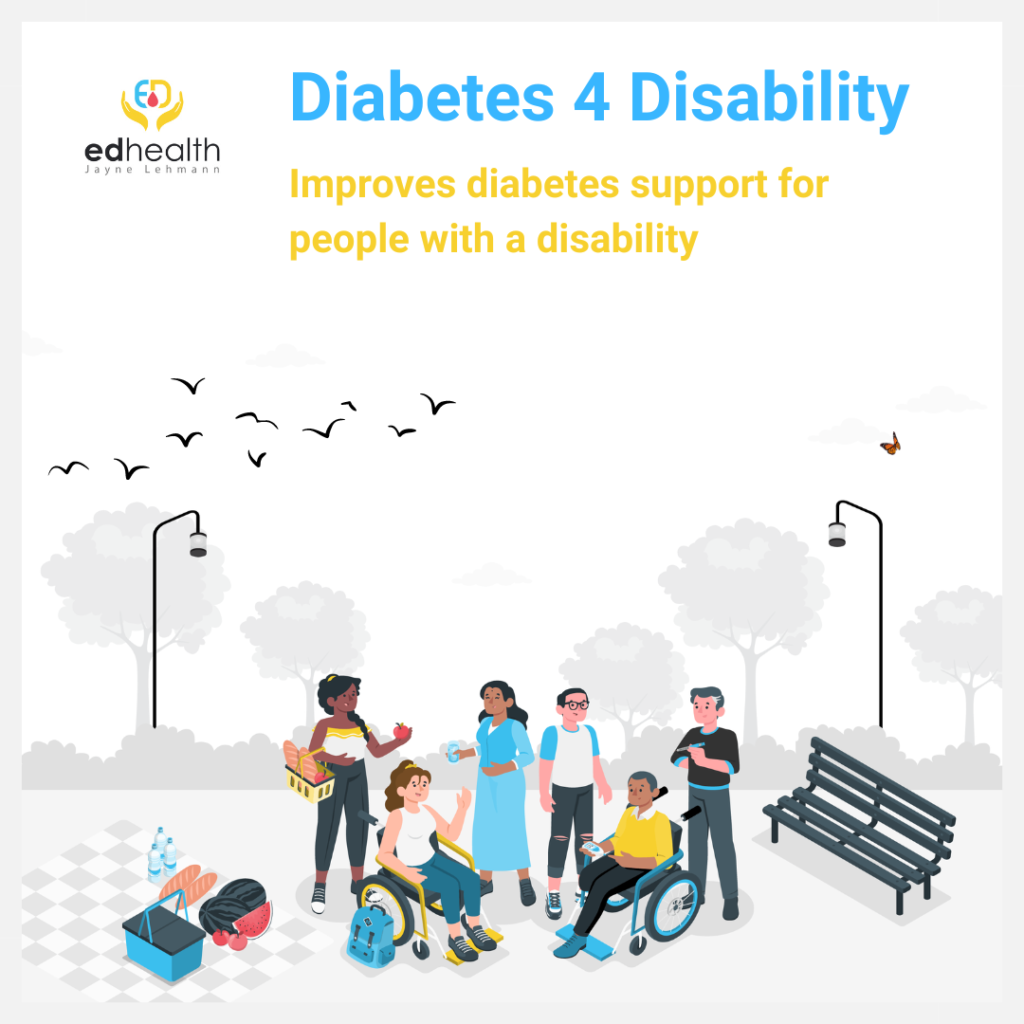
When comparing the range of training options for support workers, it is important to make sure the training is customised around the needs of the client and their type of diabetes, medication and diabetes equipment.
Use these questions to evaluate and compare type 1 diabetes training options for disability support workers:
- Is the content in the course focused on type 1, not type 2 diabetes?
- Has the course been designed specifically for disability support workers?
- Has the course been created by a health professional with experience working with people with type 1 diabetes and a disability?
- Is all of the equipment used by the client covered in the training and does a Registered Nurse evaluate their technique?
- Are examples of disability support for people with type 1 diabetes provided within the course?
- Does the training organisation ask for more information about the client’s type 1 diabetes treatment to make sure your staff receive the appropriate training?
- When you talk to the organisation do you feel confident in their ability to provide quality and safe training for type 1 diabetes support?
- Is course content evaluated?
- Does a Registered Nurse provide extra information to customise to the needs of the client’s type 1 diabetes?
- Does the organisation have a good understanding of High Intensity Skills – Subcutaneous Injection
Here’s something else to consider …
EdHealth provide a range of services to support people with a disability who have type 1 diabetes?
To find out more about EdHealth’s Diabetes 4 Disability services Click!

Want more information about the Diabetes 4 Disability services?
Phone 0412 102 048 or Email: office@edhealth.com.au