
Circle of Support
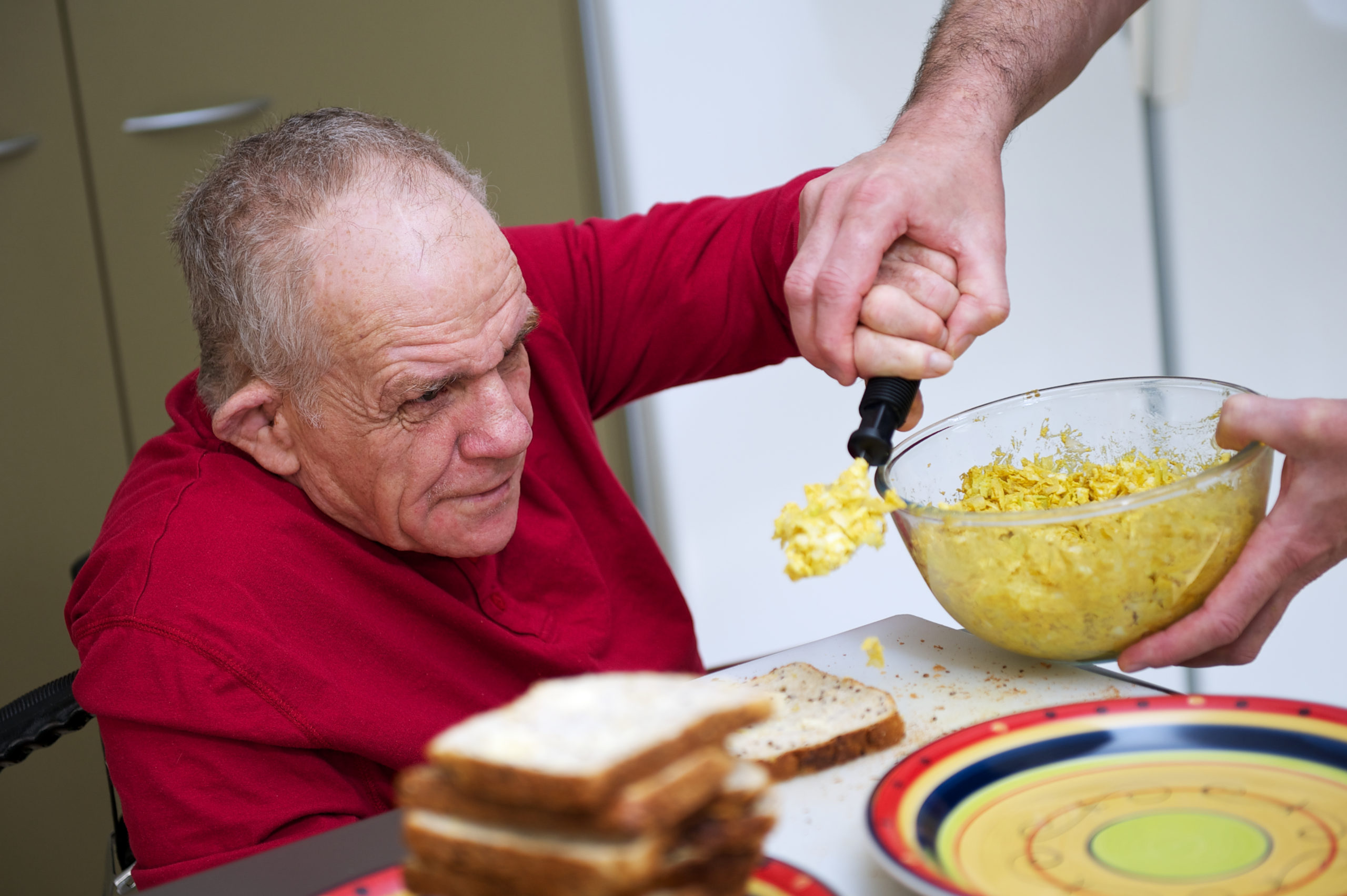
People with a disability are 2-3 times more likely to get diabetes due to higher rates of obesity and anti-psychotic medication use. People with diabetes need to learn a lot of new information about their condition and its treatment, for them to be able to take good care of it and maintain their health. To minimise the impact of diabetes on their health people with intellectual, cognitive or psycho-social disability rely more heavily on their circle of support when putting in place the diabetes treatment and management recommendations from their health team.
What is a ‘Circle of Support’
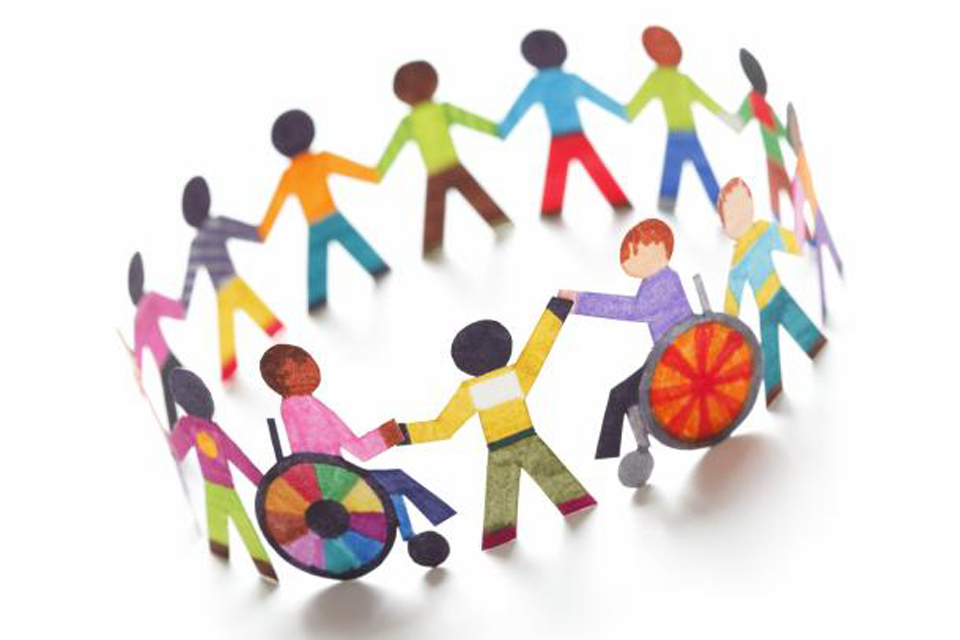
A circle of support is a group of people who share a common goal to support the wellbeing of another person.
It can include, but is not limited to:
- The person with a disability
- Family
- Friends
- NDIS professional supports e.g. support coordinator, disability support managers
- Support workers
- Health professionals
They play an important role, providing support and services to help the person achieve their goals, like living a healthy life with diabetes. We put a focus on gathering the knowledge of family members about the needs, routines and preferences in our work with people with a disability. It is important for this information to be captured and written into the Diabetes Management Plan so it is shared with the support team. This can make transitions easier but also gives family members peace of mind that the understanding they have build up over many years will remain after they are gone. This approach gives parents, a sense of relief and reassurance that their child will be well cared for after they die. Being able to capture the pearls of wisdom from parents and siblings makes a very big difference in the success of the move to a home in the community with support from support workers and a disability organisation.
EdHealth magnifies the capacity of a person’s circle of support
NDIS participants with diabetes benefit from the inclusion of the EdHealth team in their circle of support. We take a holistic approach to our work and have often been told our input was essential to the success of the person’s diabetes support being put in place.
The Health Team

EdHealth works with NDIS participants and their circle of support to incorporate strategies to achieve good health. Recommendations are integrated into the Diabetes Management Plan to ensure the person with a disability is seeing their GP frequently. There are recommendations on when to take the person to the doctor, call emergency services or use urgent care clinics.
Good health is maximised when people with a disability have:
- Regular check-ups, including when unwell or an infection suspected
- Preventive health checks e.g. breast examination and mammograms, smears, prostate checks etc.
- Chronic disease management plans and diabetes health diabetes
- Medication reviews when glucose levels are low or high
- Referrals to see other health professionals
- Repeat prescriptions and medication charts to be completed
- A Comprehensive Health Assessment each year
- Immunisations.
Will NDIS fund diabetes support?
The National Disability Insurance Scheme (NDIS) provides support for people with a disability to care for their diabetes if that support is needed due to the impact of their disability.
Click! to find out more about NDIS diabetes management support.
Click! to find out more about NDIS disability related health support.
Does EdHealth provide a health or disability service?

EdHealth focuses on the disability side of a NDIS participant’s diabetes support. To do this we offer a range of services that enable us to create a multi-level Diabetes 4 Disability (D4D) solution. We set the person, their circle of support and health team up to successfully care for the person’s diabetes.
We can arrange to do an assessment to identify how the person’s disability is impacting on their ability to care for their diabetes. This will be done in the person’s home, or in an online appointment. We identify what the participant requires and the role their circle of support can play in helping them to manage their diabetes. People continue to see their diabetes health professionals, while we create resources and support strategies to enable the person with a disability to put the health advice from their health professionals, into action. We can provide a report outlining how we can assist the person as well as Change of Circumstance and feedback reports required for NDIS requirements. We will outline why the recommendations are reasonable and necessary and how it relates to their disability.
Services:
Click! to find out about the Diabetes 4 Disability services we use to create diabetes support solutions.
Click! to find out more about the reason why EdHealth is intrinsically person centred and able to consider the disability and diabetes sides of each NDIS participant’s diabetes care and support.
Contact Us

Want to find out more?
Email: office@edhealth.com.au or phone: 0412 102 048