
Trilogy of diabetes lifestyle management – Stress management
 Stress and diabetes aren’t a great combination.As humans our body has been conditioned to react to stress from the time of the dinosaurs. The body developed a flight or fight response to prepare the person to either stay and fight whatever was causing the stress (e.g. dinosaur could eat me) or take flight (e.g. run to the cave to escape being eaten). This process happens when the body releases hormones as a reaction to increasing stress levels to release glucose back into the body. This is needed to fuel the muscles so they can either stay and ‘fight’ the problem or take ‘flight’ and run away. While there aren’t any dinosaurs around any more, there are many other things to stress us and the fight or flight response continues to be triggered to this day.
If you have diabetes it is difficult for the body to sort out the higher levels by itself so they remain high. Through their blood glucose monitoring, people with diabetes can see how stress affects their glucose levels and the strategies that can help them to better manage these periods. At times the increased levels from stress will be enough for some people to need to start a diabetes medication, increase their dose or to need to add a new medication.
Stress Management Tips
- Diabetes language matters when talking to people with diabetes. Click on the link for the words to avoid
- Ask about the stress people have in their life. What triggers their stress? Suggest
 ways to manage these issues. Consider referring to a Credentialled Diabetes Educator, psychologist or social worker for further assistance
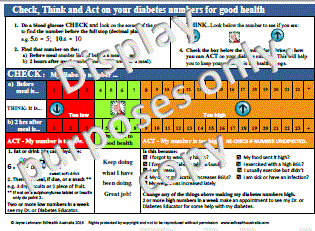
 - Purchase the Check, Think and Act teaching resource and use it to explain the impact of stress on a person’s blood glucose levels. Give them a copy to take home to support their understanding of the levels and when to get some help.
- Stress management strategies decrease the body’s response to stress. Talk to people about these e.g. mindfulness, meditation, exercise.
- Exercise is a stress buster and also helps with weight management/loss and boosts insulin action
- Identify people who are feeling stressed, depressed or have other mental health issues and encourage them to talk to their GP.
- Remember people with intellectual disability are often prescribed medications to manage their stress and behavioural outbursts. These medications frequently also increase weight and blood glucose levels. They can also over sedate people. Arrange for a review with their GP/psychiatrist if these issues are present.