Disability organisations can no longer afford to see health as someone else’s responsibility.
For many years, disability and health have operated as two separate systems. Disability organisations have understandably focused on participation, independence and daily support, while health has been seen as the responsibility of hospitals, GPs and allied health professionals.
But the reality is very different.
Every day, disability support workers are helping people take medications, monitor for changes in health, recognise deterioration, support people to attend appointments, implement recommendations from health professionals and responding to increasingly complex health needs. Health support is already part of disability support—it just hasn’t been recognised as a core organisational capability.
The NDIS itself recognises this. The NDIA funds disability-related health supports, including diabetes management, training for support workers and other supports that help people manage health conditions related to their disability. The NDIA states that these supports are intended to help people “manage or reduce the impact your disability has on your day-to-day life” and specifically includes expert training for the people who support them. (NDIS)
This isn’t about replacing the health system.
It is about ensuring disability organisations have the capability to work alongside health professionals so people receive coordinated, safe and effective support every day—not just during a medical appointment.
I want to see this change because I have spent my career working at the intersection of diabetes and disability and have witnessed the consequences when health and disability systems operate in isolation. Too many people experience preventable health deterioration, avoidable hospital admissions and a poorer quality of life—not because people don’t care, but because organisations have never been given a practical framework to build health capability into the way they deliver disability support.
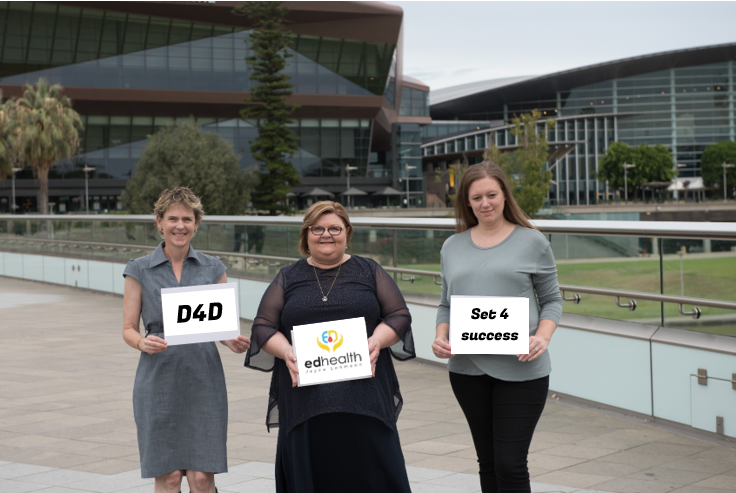
That is why EdHealth Australia is leading the development of the Diabetes 4 Disability (D4D) Capability Framework.
This is far more than a training program. It is an organisational capability framework that helps disability providers build the governance, workforce capability, systems and culture required to deliver quality and safe health support.
The benefits extend throughout an organisation.
Boards gain confidence that they are meeting their governance responsibilities and proactively managing health-related risk.
Executive teams build stronger systems, improve quality, reduce preventable incidents and position their organisations for the future as participant health needs become increasingly complex.
Team leaders are equipped with practical processes, clear escalation pathways and resources that support confident decision-making.
Support workers develop the knowledge and confidence to recognise changes in health, respond appropriately within their role, communicate effectively with health professionals and know when urgent action is required.
Most importantly, participants experience better health, greater independence, improved quality of life and a reduced risk of preventable complications and hospital admissions.
There is also a broader opportunity for the NDIA. Investing in organisational health capability strengthens safeguarding, supports more consistent service delivery, builds workforce confidence and helps ensure NDIS funding translates into better outcomes for participants rather than simply more services.
I believe this is the next evolution of disability support.
Not because disability organisations should become healthcare providers—but because quality disability support cannot exist without quality health support.
EdHealth Australia is taking the lead because someone needs to bridge the long-standing gap between the disability and health sectors. The Diabetes 4 Disability Capability Framework is designed to help organisations move beyond compliance towards genuine health capability, ensuring people with disability receive the quality, safe and equitable healthcare they have always deserved.
The future of disability support is not choosing between disability expertise and health expertise … It is about building capability within disability systems to support people for good health.
#HealthEquity #NDIS #DisabilitySupport #ClinicalGovernance #Diabetes4Disability #EdHealthAustralia #IntellectualDisability #Leadership #QualityAndSafety #HealthCapability