Why diabetes support in the NDIS requires more than training
For too long, diabetes support within the disability sector has been approached as a clinical task to be delegated, rather than a complex support need to be understood. As a result, people with intellectual disability who live with diabetes often experience poorer health outcomes, avoidable hospital admissions, distressing health events, and support systems that struggle to meet their needs safely and consistently.
The challenge is not simply diabetes.
The challenge is supporting a person with diabetes who may have limited health literacy, impaired decision-making capacity, communication difficulties, sensory differences, behavioural complexities, or an inability to recognise and respond to changes in their health.
This requires much more than teaching a support worker how to check a blood glucose level or administer insulin. It requires a person-centred system of support.
At EdHealth Australia, this is where our work is different.
The missing link between health and disability
Traditionally, health services focus on treating diabetes. Disability services focus on providing daily supports. However, many participants fall into the gap between these systems.
Health professionals may provide recommendations, but they are not responsible for implementation within disability settings. Disability support providers are expected to deliver complex diabetes supports but often receive limited guidance on how to safely do so. The result can be confusion, risk, inconsistent practice, workforce anxiety and poor participant outcomes.
EdHealth was established to bridge this gap.
We work at the interface between health and disability to create practical, sustainable systems that enable people with disability to receive safe, high-quality diabetes support every day.
Beyond training: Creating systems of support
While education is important, training alone rarely changes outcomes. Our approach focuses on designing and implementing person-centred diabetes support systems that are tailored to the individual’s cognitive abilities, communication style, living environment, health risks and support network.
This includes:
• Comprehensive assessment of diabetes support needs
• Functional assessment of the participant’s capacity for diabetes self-management
• Development of Diabetes Management Plans
• High intensity support implementation
• Staff competency development and assessment
• Risk management frameworks
• Communication and decision-support strategies
• Clinical governance systems
• Ongoing mentoring and review
Our goal is not simply to transfer knowledge. Our goal is to create confidence, consistency and safety across the entire support team.
A unique combination of professional and lived expertise
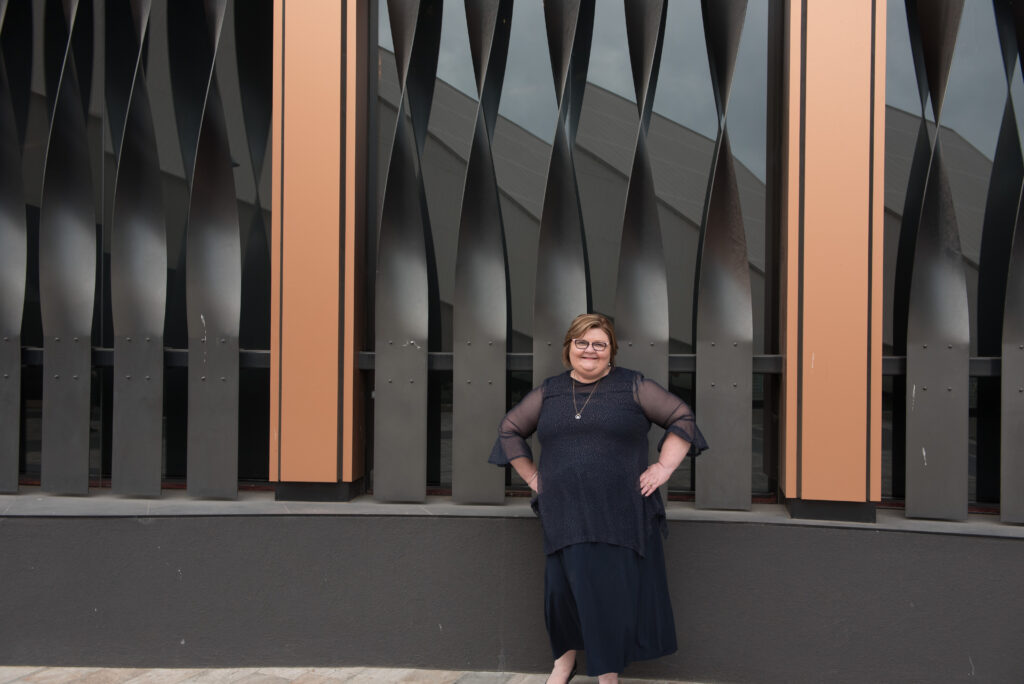
What makes our approach particularly unique is the combination of clinical expertise and lived experience. As a Registered Nurse and Credentialled Diabetes Educator, I understand the complexities of diabetes management. As a mother who supported my daughter Sarah, who lived with intellectual disability and complex health needs, I understand the realities families and support teams face every day. This combination allows us to see challenges differently. We understand that successful diabetes support is not just about glucose levels. It is about communication, relationships, trust, dignity, behaviour support, risk management and creating systems that work in real life.
Supporting the Future of High Intensity Supports
As the NDIS continues to strengthen its focus on ‘High Intensity Daily Personal Activities’, providers are increasingly being asked to support participants with complex diabetes needs. Many organisations recognise the importance of these supports but are unsure how to implement them safely. Our role is to provide the specialist expertise required to build capability within organisations while maintaining a strong focus on participant outcomes.We help providers move from compliance to confidence. From uncertainty to competence. From reactive support to proactive systems of care.
A vision for better health equity
People with intellectual disability experience significantly poorer health outcomes than the general population, currently dying 27 years earlier than those without this disability. This is not inevitable. With the right support systems, workforce capability and clinical governance, people with intellectual disability can achieve better health outcomes, greater independence and improved quality of life.
At EdHealth Australia, we believe every person deserves equitable access to safe, effective diabetes support, regardless of where they live, who supports them or how complex their needs may be.
That belief drives everything we do. Because diabetes support is not just about managing a condition. It is about enabling people to live the lives they choose.
#Diabetes4Disability #HealthEquity #IntellectualDisability #NDIS #HighIntensitySupports #PersonCentredCare #ClinicalGovernance #DiabetesCare #DisabilityHealth #IntegratedCare